 Sentrly
Ransomware Protection for Home Users
Backups, updates, and a few simple habits that prevent the worst day of your digital life.
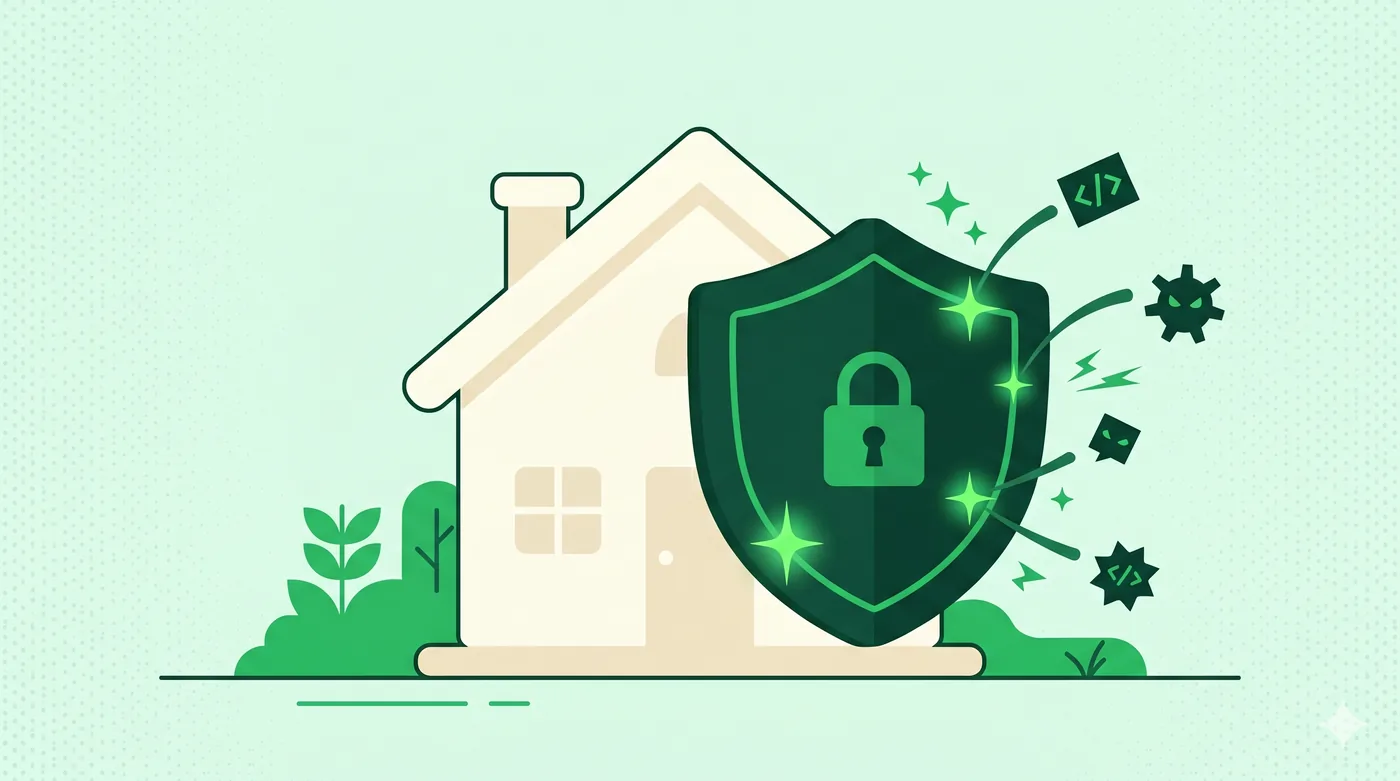
To protect home computers from ransomware, keep your operating system and software up to date, run mainstream antivirus, never open unexpected attachments, and most importantly, keep regular offline or cloud backups so you can recover without paying.
Key takeaways
- Ransomware encrypts your files and demands payment for the key.
- Up-to-date software closes most infection routes.
- A 3-2-1 backup plan (3 copies, 2 media, 1 offsite) makes ransom irrelevant.
- Never pay if you can avoid it; payment doesn’t guarantee recovery.
How ransomware reaches home users
Most home infections start with a phishing email, a pirated software download, or a malicious browser extension. Once one device is infected, the malware looks for connected drives — including external backup disks left plugged in.
The 3-2-1 backup rule
Three copies of your data, on two different storage media, with one copy offsite. In practice that’s your computer, an external drive, and a cloud backup. Disconnect the external drive when not in use.
Reduce attack surface
Enable automatic OS and browser updates. Uninstall software you don’t use. Disable macros in Office documents from outside your organisation. Don’t run as administrator for daily use.
If it happens
Disconnect from the network. Don’t pay if you have backups. Document everything. Wipe and restore from a clean backup, not from another infected machine. Report to your country’s cybercrime unit.
Frequently asked questions
Are Macs safe from ransomware?
Less targeted than Windows, but not immune. The same backup and update habits apply.
Is antivirus enough?
It catches known threats. Backups are the safety net for the unknown ones.
Should I pay the ransom?
Authorities advise against paying. Payment funds further attacks and may not restore your files.
Related guides
Phishing Attacks: How to Spot and Avoid Them in 2026
The single most common way ordinary people lose money online — and how to recognise it.
Read article →Two-Factor Authentication: A Complete Beginner’s Guide
The single most effective security upgrade most people can make in five minutes.
Read article →Password Manager Best Practices in 2026
Choose, set up, and live with a password manager without locking yourself out.
Read article →