 Sentrly
Home → VPN Guides → What Is a VPN? A Complete, Plain-English Pillar Guide
What Is a VPN? The Complete Pillar Guide
Everything an everyday user needs to understand VPNs — without the marketing.
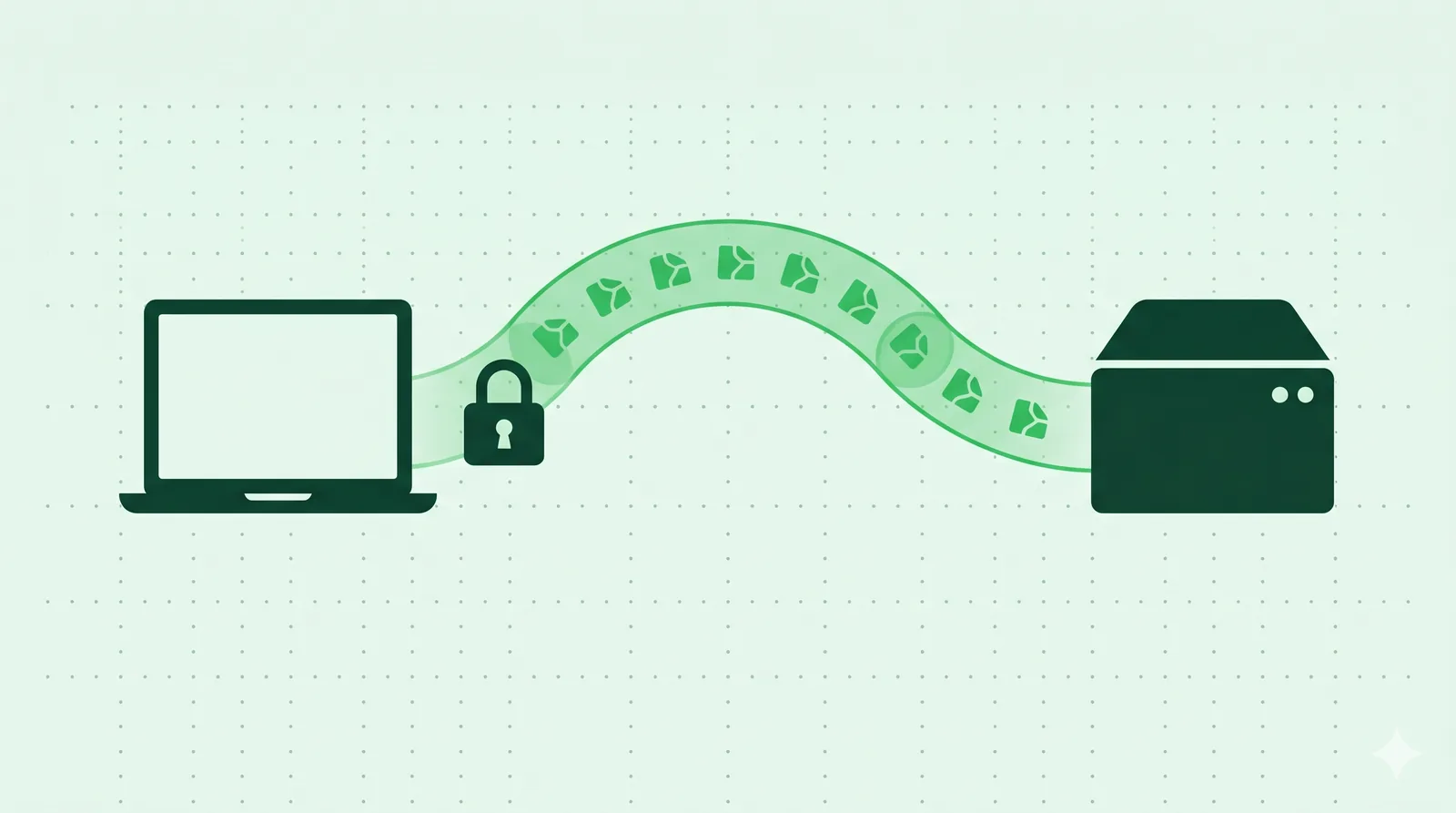
A Virtual Private Network is software that builds an encrypted tunnel between your device and a server you trust, hiding your traffic from the local network and replacing your IP address with the server’s. It’s a privacy and security tool — not an anonymity tool.
Key takeaways
- How a VPN works
- When a VPN actually helps
- How to choose one
- Common pitfalls
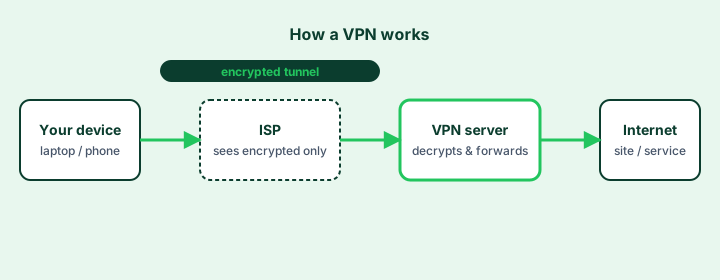
This pillar guide gathers everything we publish about VPNs into one place. If you want a single resource to read or share with a non-technical friend, start here.
How a VPN works
A VPN client on your device builds an encrypted connection to a VPN server. Every request you make travels through that tunnel: the local network sees only encrypted bytes; the websites you visit see the VPN server’s IP, not yours.
When a VPN actually helps
Public Wi-Fi, untrusted networks, accessing your own home/office services from outside, and reducing casual cross-site tracking. It does not stop phishing, malware, or government-level adversaries.
How to choose one
Look for an independently audited no-logs policy, transparent ownership, modern protocols (WireGuard or OpenVPN), kill-switch support, and apps for every device you use. Avoid free providers funded by selling user data.
Common pitfalls
Forgetting to turn the VPN on before joining Wi-Fi, leaving the kill switch off, using DNS settings that leak around the tunnel, or relying on a single provider that gets blocked at your destination.
Related guides on Sentrly
This pillar links out to deeper articles on each topic. Save this page and use the cards below as your reading path.
VPN for Public Wi-Fi Safety: A Complete 2026 Guide
How a VPN protects you on coffee-shop, airport, and hotel Wi-Fi — and where it doesn’t help.
Read article →How VPN Encryption Works: A Beginner-Friendly Explainer
What ‘AES-256’, ‘WireGuard’, and ‘perfect forward secrecy’ actually mean.
Read article →VPN vs Proxy: The Real Differences (And When to Use Each)
Both hide your IP address. Only one encrypts your traffic. Here’s how to choose.
Read article →VPN Best Practices for Remote Work and International Travel
A practical checklist for digital nomads, frequent fliers, and remote teams.
Read article →10 Common VPN Myths, Debunked
Marketing copy makes VPNs sound magical. Reality is more useful — and more honest.
Read article →Frequently asked questions
Is a VPN legal?
In most countries, yes. A few restrict or ban them; check local law where you live and travel.
Will a VPN make me anonymous?
No. It hides traffic from the local network and replaces your IP, but the provider can see your traffic and websites you log into still know who you are.
How much should a VPN cost?
Reputable providers run roughly $3–$12 per month on annual plans. Free options have notable trade-offs.
Can I use one VPN account on all my devices?
Most providers allow 5–10 simultaneous connections per account.